Automatic HDPE Pipe Friction Welding Machines
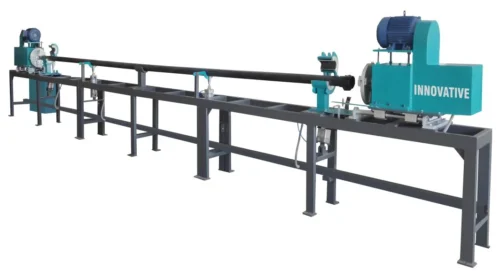
Automatic HDPE pipe friction welding machines join HDPE pipes quickly and safely. They also produce strong and reliable joints. Because the process is automatic, these machines reduce human errors. As a result, they save time and labor.
Moreover, many industries use these machines. For example, water supply, gas distribution, chemical plants, and construction projects depend on them.
What Is an Automatic HDPE Pipe Friction Welding Machine?
An automatic HDPE pipe friction welding machine joins HDPE pipes using rotational friction. First, the machine aligns the pipes. Then, it creates heat through rotation. Finally, it fuses the pipes under pressure.
Because the process is controlled, the machine creates uniform welds. Therefore, it also reduces material waste and rework.
How the Machine Works
1. Pipe Alignment
First, the machine clamps the pipes firmly. Proper alignment is important. Therefore, it helps prevent leakage and weak joints.
2. Surface Preparation
Next, the machine cleans and faces the pipe ends. As a result, the surfaces become smooth and even.
3. Friction Heating
After that, one pipe rotates while pressing against the other. Because of friction, heat builds up. This heat softens the pipe ends.
4. Fusion
Then, the rotation stops. The machine applies steady pressure. As a result, the melted pipe ends fuse together.
5. Cooling
Next, the machine holds pressure during cooling. This step is important. Therefore, it ensures joint strength.
6. Inspection
Finally, sensors check the weld quality. In addition, operators may do a visual check.
Why Use This Machine?
Modern industries need strong and leak-free pipelines. Therefore, automatic HDPE pipe welding machines are a smart choice.
They offer many benefits:
Consistent Quality: The machine controls the process. So, it reduces human error.
High Productivity: Welding is faster. As a result, output increases.
Less Waste: Accurate welding reduces scrap material.
Energy Efficient: It uses less power than old fusion methods.
Safer Operation: Operators have less contact with hot parts.
Overall, these machines are faster, safer, and more cost-effective than manual welding.
Key Features and Benefits
| Feature | Benefit |
|---|
| Hydraulic clamps | Ensure accurate pipe alignment |
| Digital speed and temperature control | Maintain even heating |
| Built-in facing tool | Saves preparation time |
| Axial force sensors | Prevent joint failure |
| PLC touch screen | Easy and simple operation |
| Mobile frame | Allows on-site welding |
Industries and Applications
These machines are used in many sectors. For example:
Water and Sewage: Municipal pipelines and irrigation systems
Gas Distribution: Natural gas and industrial gas pipelines
Chemical Plants: Safe transport of chemicals
Industrial Manufacturing: Cooling and heating lines
Infrastructure Projects: Roads, buildings, and urban pipelines
Safety and Compliance
Safety is very important. Therefore, follow these rules:
Operator Protection: Use safety guards, emergency stop buttons, and PPE
Standards Compliance: ISO 9001, ISO 13950, EN 12201, ASTM F2620
Workplace Safety: Ensure ventilation, safe distance, and regular audits
FAQs
Q1: Can I weld different pipe sizes?
A: No. Pipe sizes must match. Therefore, use reducers or fittings for size changes.
Q2: How long does one weld take?
A: Usually, it takes 5 to 15 minutes. However, time depends on pipe size and thickness.
Q3: Can the machine work on-site?
A: Yes. In fact, mobile models are made for on-site projects.
Q4: Is operator training required?
A: Yes. As a result, trained operators ensure safe use and strong welds.